Tarps, short for tarpaulins, are a ubiquitous and versatile tool used across a wide range of industries and applications. They are essentially large sheets of waterproof, durable material used for covering and protecting a wide range of objects, from vehicles to construction materials. In this article, we will explore the various types of tarps, considerations regarding tarps, their benefits, and the many applications for which they are used. Read More…
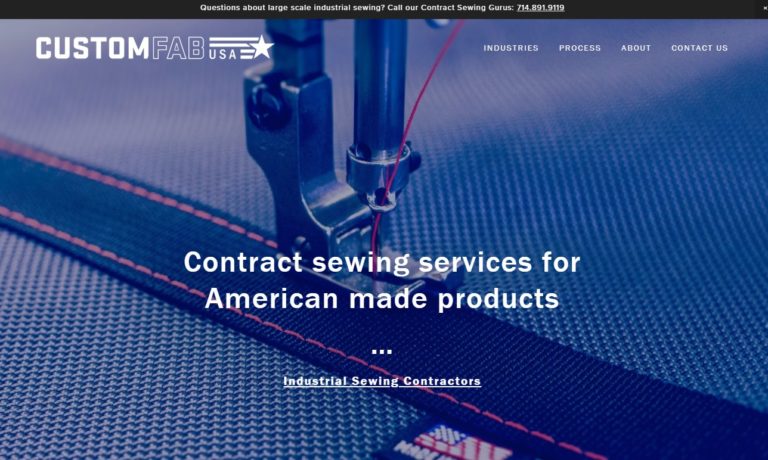
CustomFab USA has been a trusted American sewing contractor since our inception in 1990. Our 77,000 square foot high-tech manufacturing facility allows us to produce and ship a myriad of products. We have experience serving industries such as medical, sporting goods, military, aerospace, pets, and travel. With unparalleled customer service, a skilled manufacturing workforce, and tried-and-true...
LJ Design & Manufacturing's unique expertise in sewn, soft good product design and manufacturing turns your challenges into opportunities. They specialize in manufacturing sewn industrial and medical products, serving industries such as: Medical/healthcare OEM manufacturing Transportation/automotive Government/military Industrial upholstery Each customer's project receives: Extensive sewn, ...

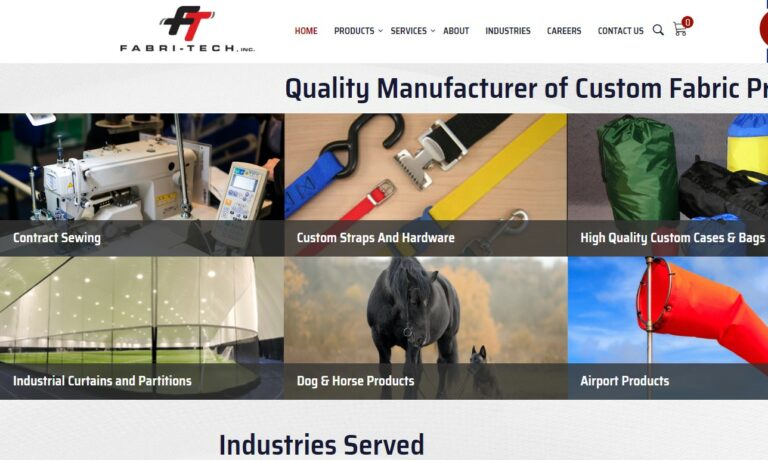
Our dedicated team of professionals is here to bring reliable and dependable products to you! At Fabri-Tech, we use our 85 years of experience to exceed your expectations. Our comprehensive process for tarps, soft luggage, pouches, and many other products are unrivaled in quality. We place emphasis on our efficient process and the highly customizable options with design. Check out our website...
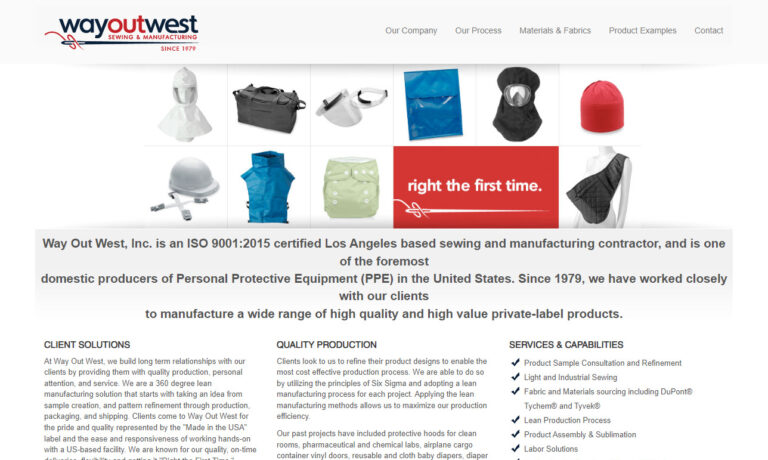
Since 1979, we, at Way Out West, Inc., have been dedicated to the art and precision of contract sewing. Our team boasts extensive expertise in various sewing processes and projects, making us a reliable partner for your diverse needs. We focus on industrial sewing production at scale, servicing the military, aerospace, medical, healthcare and safety industries. We take pride in our ability to...
At Canvasworks Inc., we provide comprehensive sewing contract services that combine craftsmanship, experience, and flexibility to meet the diverse needs of our customers. As a trusted partner to companies across a wide range of industries, we bring a collaborative approach to every project, working closely with our clients to turn concepts into high-quality finished products.

CSE Packaging, we stand as a trusted leader in the realm of custom sewn products, offering a comprehensive suite of design and manufacturing solutions tailored to meet the diverse needs of our clients. With an extensive history of excellence in the industry, we have solidified our reputation for delivering unparalleled quality and craftsmanship in every project we undertake.

At Beowulf Industrial Sewing, we are dedicated to providing comprehensive industrial sewing solutions that meet the demands of a wide array of industries. With years of expertise and a commitment to craftsmanship, we take pride in delivering precision-driven solutions for even the most complex sewing projects. Let us bring your sewing projects to life with the precision and quality that define...





More Tarp Companies
How Tarps are Made
Tarps, also known as tarpaulins, are essential protective coverings used across industries for weatherproofing, transportation, storage, and construction. Understanding the tarp manufacturing process is crucial when selecting the ideal tarp for your project or business. Tarps are typically constructed using one of three primary manufacturing methods: woven, coated, or laminated. Each method yields different properties in terms of strength, flexibility, weather resistance, and cost-effectiveness, making it vital to consider your specific application before choosing.
Below is a detailed explanation of how tarps are manufactured using each process, including material selection, product benefits, and typical use cases:
Woven Tarps
Woven tarps are created by interlacing individual strands or fibers to form a robust fabric. The most common fibers used in this process include polyethylene (PE), polypropylene (PP), and canvas. Modern woven tarps are often constructed from high-density polyethylene (HDPE), known for its lightweight yet strong characteristics. After weaving, the fabric undergoes a UV-resistant coating treatment, greatly enhancing its ability to withstand prolonged exposure to sunlight and harsh weather conditions.
- Advantages: Lightweight, flexible, cost-effective, and easy to handle. UV-treated woven tarps offer strong weather resistance for both short-term and long-term use.
- Common Uses: Temporary shelters, camping tarps, temporary ground covers, truck bed covers, and general-purpose outdoor protection.
- Examples: Blue poly tarps, mesh tarps, and lightweight cover tarps.
Coated Tarps
Coated tarps are manufactured by applying a layer of protective material—usually polyethylene or PVC (polyvinyl chloride)—to a woven or non-woven fabric substrate. This coating process can be applied to one side (single-coated) or both sides (double-coated) of the tarp fabric, depending on the desired level of moisture and abrasion resistance. Coated tarps strike a balance between strength and flexibility, providing enhanced protection against water, chemicals, oil, and UV exposure.
- Advantages: Excellent waterproofing, resistance to oils and chemicals, increased abrasion resistance, and longer lifespan compared to non-coated tarps.
- Common Uses: Industrial tarps, truck tarps, construction site covers, hay and grain covers, and containment liners.
- Examples: White poly tarps, fire-retardant tarps, and custom-printed tarps for branding or safety labeling.
Laminated Tarps
Laminated tarps are engineered by bonding multiple layers of materials together using heat, adhesives, or pressure. Typically, a woven base fabric is sandwiched between layers of impermeable membranes, such as LDPE (low-density polyethylene) or PVC film, providing a rugged, tear-resistant, and fully waterproof barrier. The multi-layer construction makes laminated tarps highly durable, suitable for demanding environments and heavy-duty applications.
- Advantages: Superior durability, high tensile strength, maximum waterproofing, puncture resistance, and long service life. Often reinforced with heat-sealed seams and strong grommets.
- Common Uses: Industrial containment, environmental protection, pond liners, long-term equipment storage, and disaster relief shelters.
- Examples: Heavy-duty clear tarps, reinforced vinyl tarps, and custom-fabricated industrial tarps.
Each of these manufacturing processes offers unique advantages and trade-offs depending on your specific needs. For instance, woven tarps are generally more lightweight and easily portable, while laminated tarps provide maximum strength and protection for demanding environments. Coated tarps offer an excellent balance of durability and flexibility, making them ideal for a range of applications. When choosing a tarp, consider your primary requirements—will you need high UV resistance, waterproofing, durability under frequent use, or a lightweight design for easy deployment? Understanding how tarps are made helps inform the best solution for your business or personal use.
Key Considerations When Selecting Tarps
To maximize the value and lifespan of your tarp investment, it’s important to evaluate several critical factors before purchase. Below are the most important considerations when selecting the right tarp for your needs:
- Material Type: Choose between polyethylene, polypropylene, canvas, PVC, or vinyl tarps based on application. For example, canvas tarps are ideal for breathable covers, while poly tarps excel in waterproofing and affordability.
- Durability and Strength: Assess the required thickness (measured in mils), weave count, and tear resistance. Industrial and commercial users often select heavy-duty tarps for frequent or high-impact use.
- Water Resistance: Consider the tarp’s ability to repel water and moisture. Laminated and coated tarps generally offer superior waterproofing compared to untreated woven tarps.
- UV and Weather Resistance: Tarps exposed to direct sunlight should be UV-treated to prevent degradation. Cold-crack resistance is crucial for freezing environments.
- Size, Shape, and Color: Tarps are available in a wide array of dimensions and colors. Consider custom sizing for irregularly shaped equipment or spaces, and choose colors for visibility or discretion as needed.
- Grommet Placement and Reinforcement: Look for tarps with reinforced corners, double-stitched hems, and rust-resistant grommets for secure tie-down and longer lifespan.
- Fire Retardancy: For certain applications, such as industrial covers or event tents, fire-retardant tarps may be required to meet safety regulations.
- Environmental Impact: Consider tarps made from recycled materials or those designed for reusability. Proper disposal and recycling practices can minimize environmental footprint.
- Cost and Budget: Balance initial cost with expected longevity and replacement frequency. While heavy-duty tarps may cost more upfront, they often provide better value over time.
Still not sure which tarp is best for your application? Ask yourself:
- What will the tarp be protecting—equipment, vehicles, materials, or people?
- Will it be used indoors or outdoors, temporarily or permanently?
- Do you need specific features like flame resistance, transparency, or custom branding?
- Are you looking for a certain color for safety, branding, or camouflage?
- What is your expected budget, and how will the tarp’s lifespan affect total cost of ownership?
Benefits of Using Tarps
Tarps are incredibly versatile and provide a wide range of advantages for both commercial and residential users. Here are some of the most significant benefits you can expect from using high-quality tarps:
Protection from the Elements
Tarps are engineered to safeguard assets from the damaging effects of the sun, rain, wind, snow, and dust. Whether you need to cover valuable equipment, vehicles, construction materials, or outdoor furniture, tarps offer superior protection and peace of mind. Many tarps are waterproof, UV-resistant, and mildew-proof, ensuring long-lasting performance in all weather conditions.
Unmatched Versatility
The adaptability of tarps makes them indispensable across numerous industries and settings. Available in an array of sizes, thicknesses, colors, and materials, tarps can be tailored to meet virtually any requirement. From temporary emergency shelter to permanent storage covers, their flexibility ensures an effective solution for every challenge.
Long-Lasting Durability
Modern tarps are manufactured from materials engineered for strength and longevity. Reinforced edges, strong grommets, and advanced coatings make them capable of withstanding repeated use, harsh climates, and heavy loads. Industrial-grade tarps, in particular, are designed to endure the rigors of daily commercial use.
Lightweight and Easy Handling
Despite their toughness, many tarps are lightweight and simple to transport, deploy, and store. This makes them ideal for mobile operations, quick response needs, and situations where flexibility and rapid setup are essential.
Cost-Effective Coverage
Tarps represent one of the most affordable methods for protecting assets and managing environmental exposure. Their low upfront cost, coupled with reusability and minimal maintenance, delivers excellent long-term value compared to disposable or rigid coverings. Custom tarps add even more value by matching exact dimensions and features to your needs.
Customizability and Aesthetic Appeal
Today’s tarps can be manufactured in a spectrum of colors, finishes, and even custom prints, making them suitable for branding, safety identification, or blending into the environment. This aesthetic flexibility is especially valuable for public events, construction sites, and businesses seeking to maintain a professional appearance.
Eco-Friendly Choices
With growing emphasis on sustainability, many manufacturers now offer recycled tarps or tarps made from sustainable materials. Choosing reusable and recyclable tarps not only reduces waste but also decreases your project’s overall environmental impact.
Comprehensive Applications of Tarps
Tarps serve critical roles in an astonishing variety of industrial, commercial, and personal applications. Explore some of the most common and specialized uses below:
Outdoor Equipment and Vehicle Protection
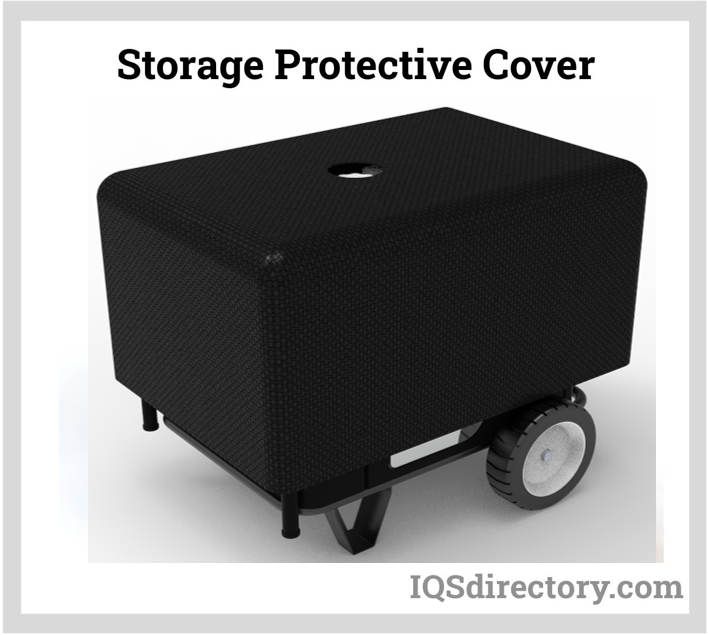
Tarps are indispensable for shielding boats, cars, motorcycles, trailers, and recreational vehicles (RVs) from harsh weather, UV exposure, and debris. Custom-fit tarps ensure maximum coverage and long-term preservation of valuable assets.
Construction Site and Industrial Covers
In the construction industry, tarps are used to cover building materials such as lumber, bricks, and concrete, preventing water damage and contamination. They also serve as debris netting, scaffolding covers, and temporary roofing during project delays or repairs.
Agricultural and Landscaping Solutions
Farmers and landscapers use tarps to cover crops, create windbreaks, and provide frost protection. Heavy-duty tarps are ideal for silage covers, hay storage, and ground liners, helping to maximize yield and minimize spoilage. In landscaping, tarps provide weed control, soil erosion prevention, and transport of leaves or mulch.
Camping, Outdoor Recreation, and Event Shelter
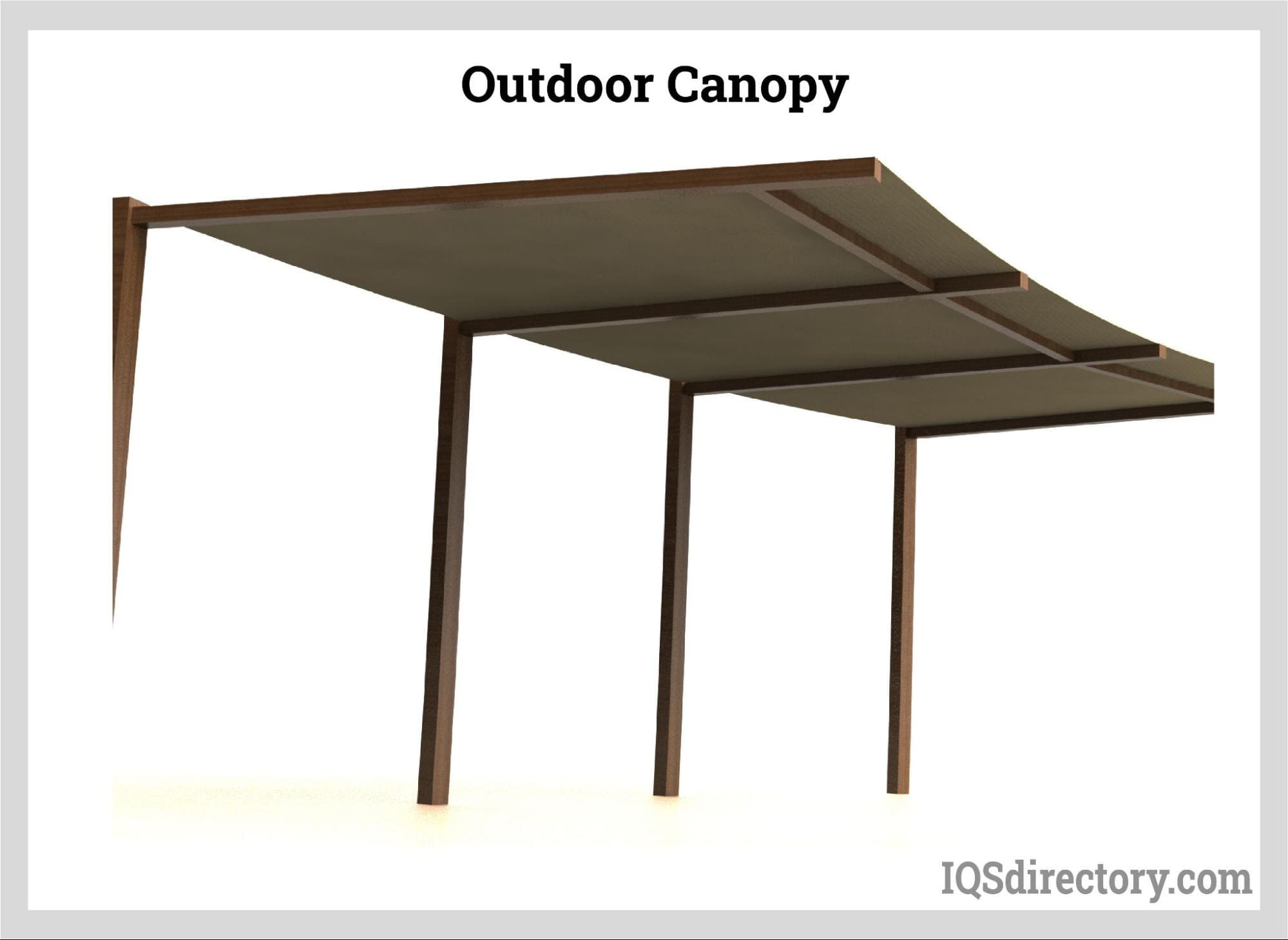
For outdoor enthusiasts, tarps are the foundation of reliable camping shelters, rainflys, and shaded pavilions. Event organizers use large tarps and canopy covers for festivals, sporting events, and markets, ensuring safety and comfort for attendees.
Disaster Relief and Emergency Response
Emergency agencies rely on tarps for rapid shelter deployment, temporary housing, and containment of hazardous materials during natural disasters. Their portability and ease of use make them vital tools in crisis management.
Industrial Containment and Environmental Protection
Specialized tarps serve as liners for ponds, lagoons, and landfills, preventing leakage and protecting groundwater. Chemical-resistant and fire-retardant tarps are also used in hazardous waste containment and industrial spill response.
Other Innovative and Miscellaneous Uses
Tarps can be repurposed for makeshift awnings, privacy screens, temporary flooring, and dust barriers. Custom-cut tarps are increasingly popular for unique applications, including theatrical backdrops, sports field covers, and marine enclosures.
Curious about how tarps can solve your specific challenge? Try searching:
- “Best tarp for construction site dust control”
- “UV-resistant tarps for boat storage”
- “Fire-retardant tarps for industrial use”
- “Custom-sized tarps for irregular equipment”
- “Reusable tarps for eco-friendly landscaping”
How to Choose the Right Tarp Supplier
Selecting the best tarp supplier is crucial for ensuring product quality, on-time delivery, and customer satisfaction. Here are key steps to take when evaluating tarp manufacturers, distributors, and retailers:
- Research Supplier Reputation: Look for suppliers with proven experience and positive customer reviews. Check industry certifications, warranties, and return policies.
- Review Product Range and Customization: Does the supplier offer a wide selection of tarps (poly, canvas, vinyl, PVC, mesh, fire-retardant, custom sizes)? Can they accommodate unique sizes, colors, or branding requirements?
- Compare Pricing and Value: Request quotes from multiple suppliers. Factor in shipping, minimum order quantity, and after-sales support. Don’t just compare price—consider quality and service.
- Evaluate Lead Times and Delivery Options: Fast, reliable delivery is vital for urgent projects. Confirm stock availability and typical fulfillment times.
- Assess Customer Service: Responsive, knowledgeable sales and support staff can help answer questions, recommend products, and resolve issues quickly.
- Check for Environmental Initiatives: If sustainability is important for your business, look for suppliers offering recycled content or eco-friendly tarps.
To ensure a productive and satisfactory purchasing experience, use our tarp supplier directory to compare reputable companies. Each supplier features a detailed business profile highlighting their specialties, capabilities, and customer testimonials. Our patented website previewer lets you quickly scan what each company offers.
Ready to source tarps for your next project? Take these next steps:
- Browse our supplier directory to find tarp manufacturers and distributors that meet your needs.
- Use our RFQ (Request for Quote) form to contact multiple suppliers with your specifications and receive competitive bids.
- Review product specifications, lead times, and warranty terms before making a final decision.
Have more questions? Try searching:
- “What is the difference between poly tarps and vinyl tarps?”
- “Where can I buy custom-size tarps near me?”
- “How do I recycle old tarps responsibly?”
- “What are the best heavy-duty tarps for industrial use?”
- “How do I choose between fire-retardant and standard tarps?”
Frequently Asked Questions about Tarps
What is the difference between poly tarps and canvas tarps?
Poly tarps are made from woven polyethylene fibers and are known for their lightweight, waterproof, and cost-effective properties. Canvas tarps are woven from cotton or polyester fibers, providing breathability, abrasion resistance, and suitability for applications where moisture vapor transmission is desired.
Can tarps be repaired if they are torn?
Yes, most tarps can be repaired using patch kits, adhesive tape, or sewing. For best results, use repair materials compatible with the tarp’s original construction (e.g., vinyl patch for vinyl tarps). For large tears or critical uses, replacement may be recommended.
How long do tarps typically last?
The lifespan of a tarp depends on material, thickness, UV exposure, and frequency of use. Poly tarps may last 1–3 years in harsh environments, while heavy-duty vinyl or canvas tarps can last 5 years or longer with proper care.
Are there tarps designed specifically for environmental protection?
Yes, there are tarps manufactured with recycled materials, as well as tarps specifically engineered for hazardous material containment, spill prevention, and groundwater protection. Look for products labeled as “eco-friendly,” “containment grade,” or “hazmat tarps.”
How do I maintain and store my tarps for maximum lifespan?
Clean tarps regularly to remove dirt, debris, and chemicals. Allow tarps to dry completely before folding and storing in a cool, dry place away from direct sunlight. Inspect grommets, seams, and fabric for wear and make repairs as necessary to extend service life.
Conclusion: Maximize Value with the Right Tarps and Supplier
Tarps offer unmatched versatility, durability, and protection for countless applications—from construction and transportation to agriculture, recreation, and emergency response. By understanding the differences in materials, manufacturing processes, and supplier capabilities, you can confidently select the best tarp solution for your project or business.
Ready to start your search for the perfect tarp? Visit our tarp supplier directory, compare top-rated manufacturers, and request a quote today. Whether you need standard off-the-shelf tarps or custom-fabricated industrial covers, our network of trusted suppliers is here to help you get the job done right.